
Zion Shuttle Guide: When to Ride, When to Drive & Parking Hacks
- December 15, 2025
- Uncategorized
Southern Utah’s red rock country draws millions every year, and Zion National Park is the crown jewel. The park’s narrow, dramatic canyon... Read More
 by Admin
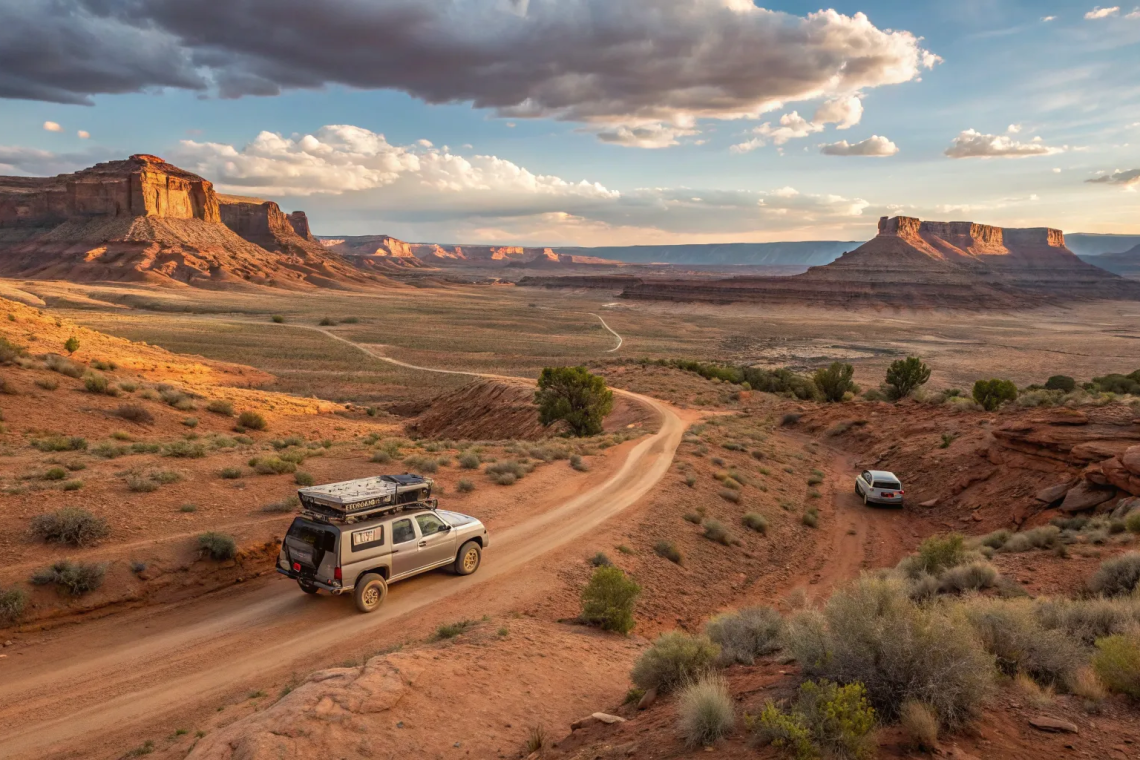
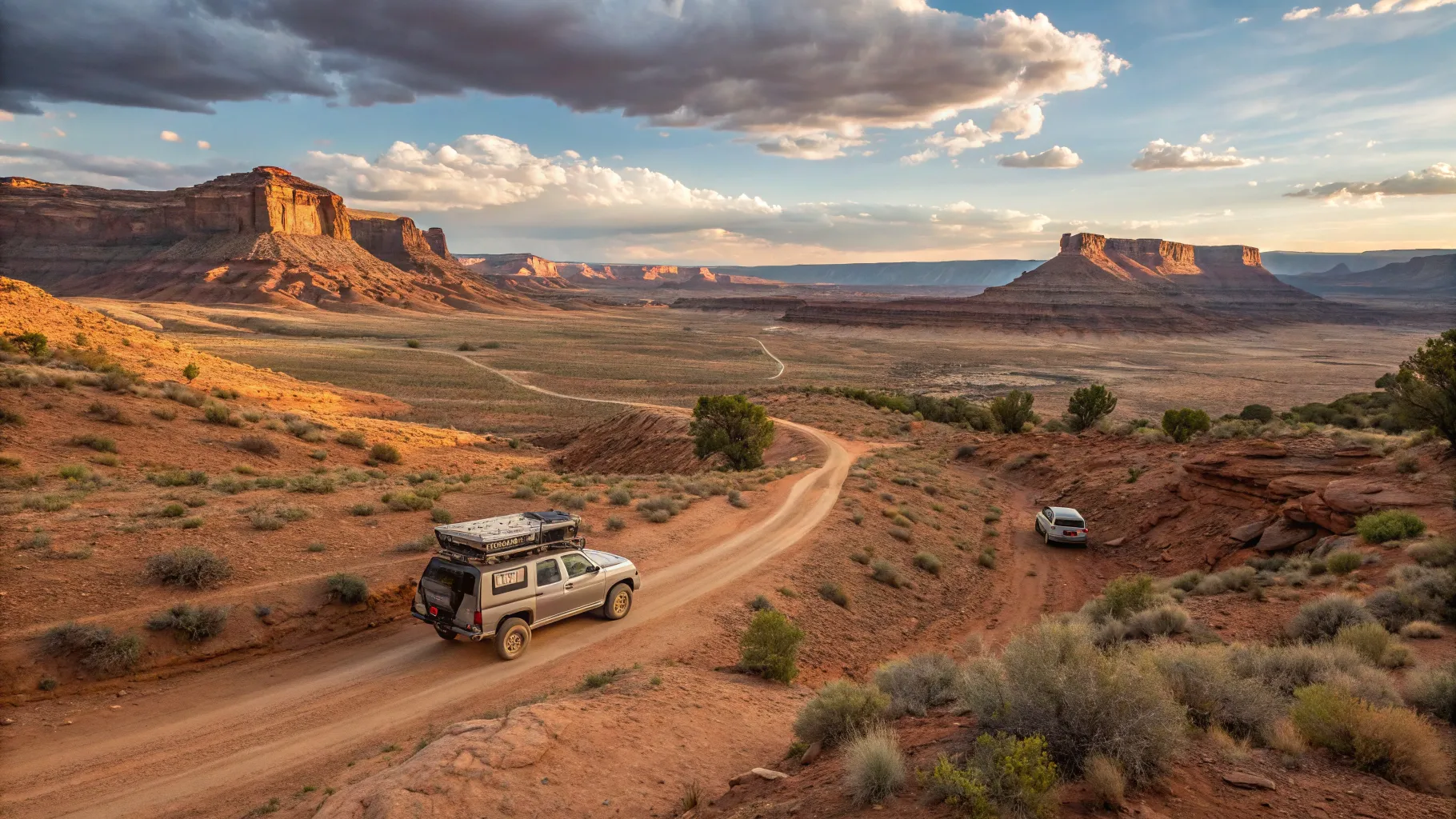
Revere Overland has long championed Utah as the premier state for overlanding, and the video “Utah’s TOP 5 Overland Trails” distills that passion into a concise list of must-drive routes. This guide extends that content into a detailed resource for travelers staying in Southern Utah vacation rentals, combining route descriptions, safety advice, seasonal recommendations, and neighborhood-friendly itineraries. Whether guests stay in a luxury home with a full kitchen and outdoor patio or a cozy getaway near the park entrances, this article equips them with actionable tips to make off-road days safe, scenic, and memorable.
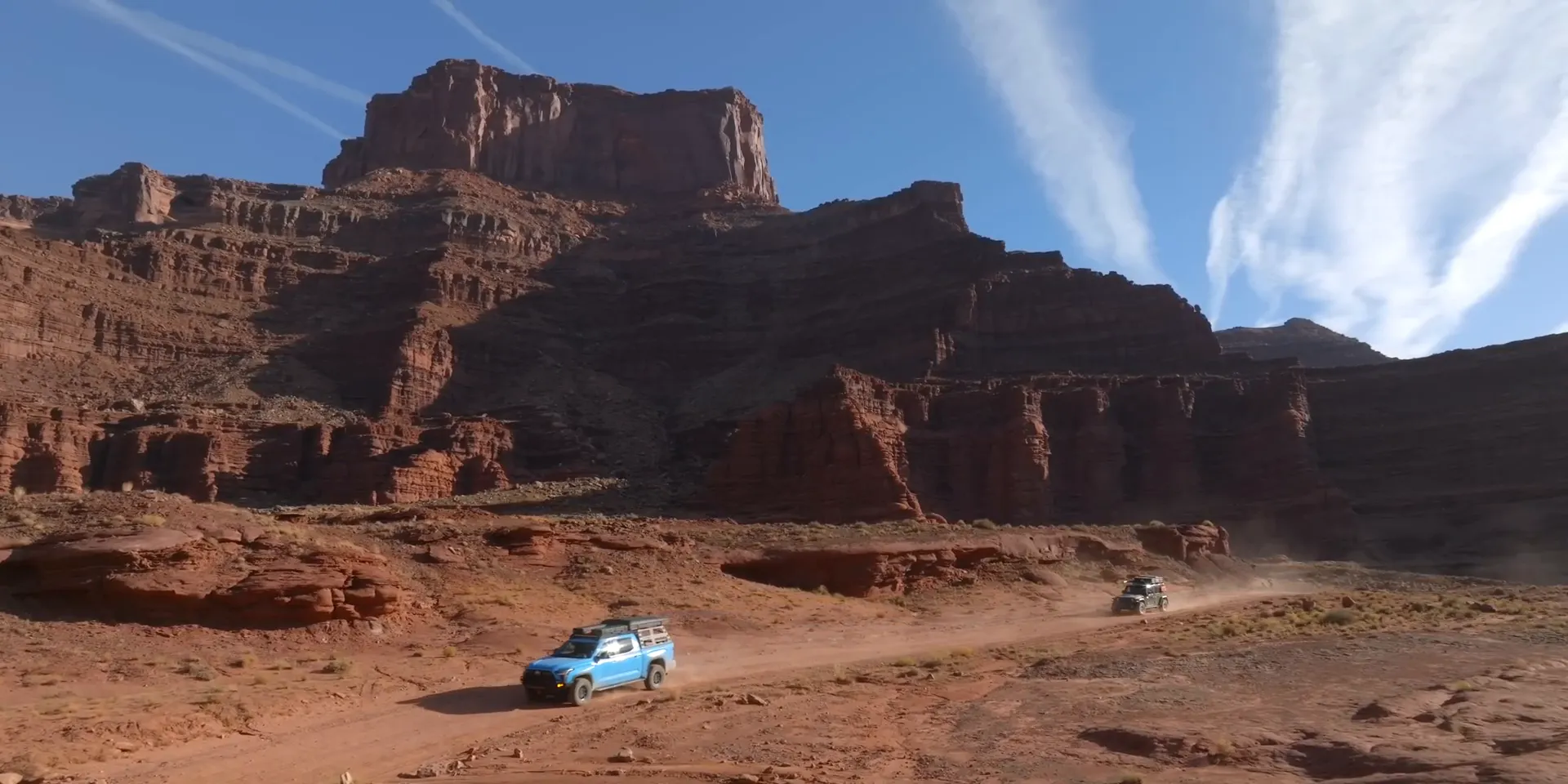
Utah’s combination of low population density, thousands of miles of maintained and primitive trails, and dramatic geological variety makes it uniquely suited to overland travel. Trails change from lunar badlands north of Lake Powell to river-carved canyons around Moab, and then to colorful badlands near Capitol Reef. For travelers staying in vacation rentals, a few advantages stand out: ample space for gear and vehicle prep, the ability to cook and resupply before long days, and easy access to trailheads at dawn—when light and temperatures are best for both scenery and vehicle performance.
Vacation rental guests should weigh rental amenities when planning an overland-focused trip. A garage or driveway provides secure overnight parking for trucks and trailers. A full kitchen allows meal prep before long drives and reduces dependence on remote dining options. For Southern Utah properties and curated stays, visit https://staycopperrock.com for options that balance comfort with proximity to trails and parks.
This article presents Revere Overland’s top five Utah overland trails in descending order—fifth through first—paired with practical travel advice targeted at people staying in short-term rentals. Each trail entry includes:
Readers should always verify current trail conditions and closures, and remember that they are responsible for vehicle safety, recovery, and environmental stewardship on public lands.
Smoky Mountain Road starts just north of Page and runs toward Escalante, carving through stark, dusty badlands and dropping into a canyon that reveals Utah’s layered painterly cliffs. The variety along this route is its primary draw: lunar flats near Lake Powell give way to a long climb along a 1,400-foot cliff offering sheer drops and sweeping views south toward northern Arizona.
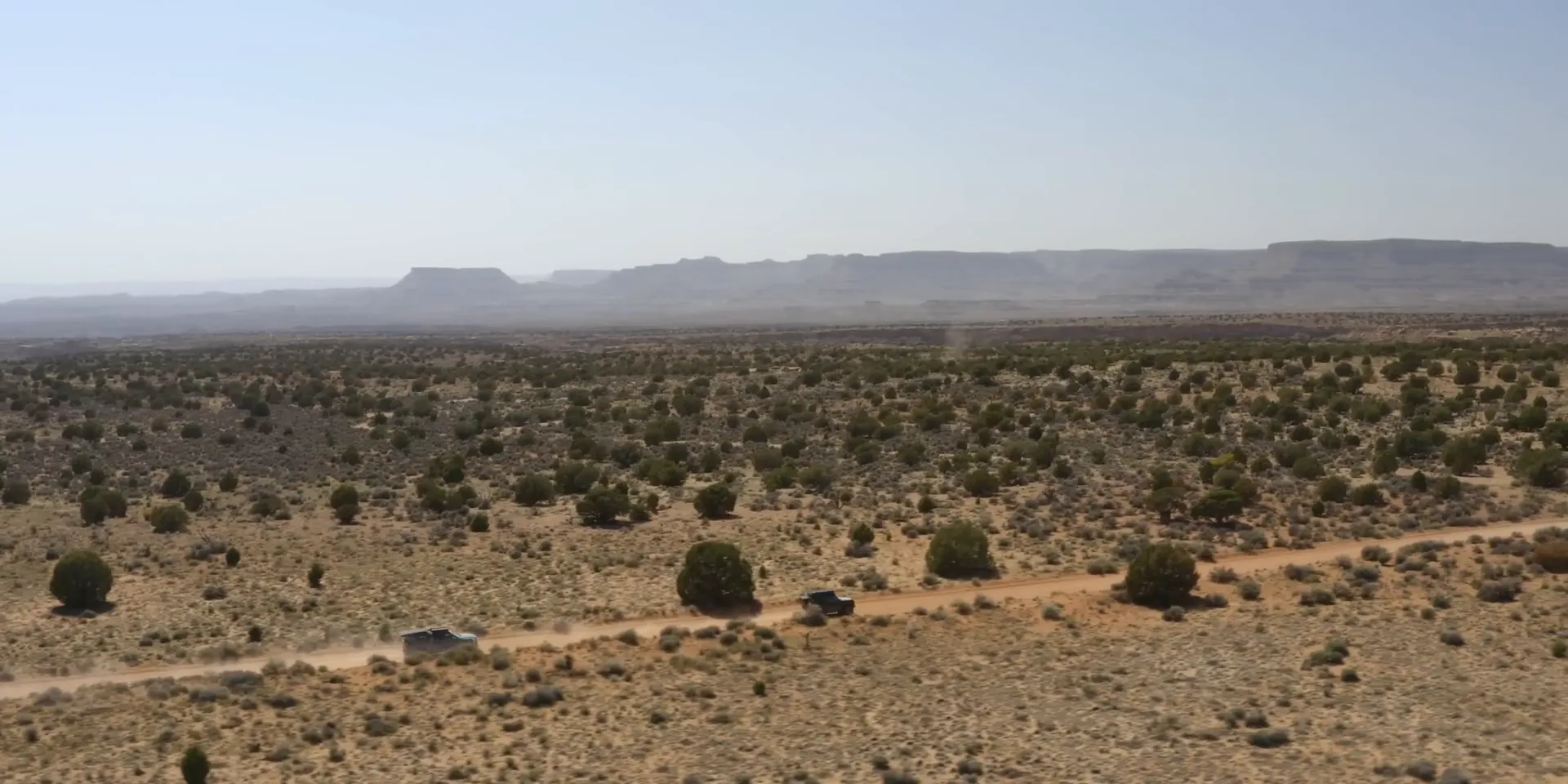
The route begins across desolate badlands north of Lake Powell. Around 14 miles in, drivers leave Glen Canyon National Recreation Area and head upward toward the cliff climb. Although a crossover or Subaru-like all-wheel-drive vehicle could likely handle many parts of the climb, there are steep sections with loose rock that make high clearance and conservative driving advisable—especially for unskilled drivers.
Two and a half miles from the top, an ancient coal seam fire provides a surreal marker—an area of ground that has been smoldering for generations and is the namesake feature for the road. From that point travelers can either return via Smoky Hollow Road toward Page or continue north along Smoky Mountain Road. Northbound requires high clearance to navigate rough road segments that drop into and out of washes before descending into a beautiful canyon with steep, weathered cliffs on either side.
Guests based in Page or Escalante will find this route an excellent day trip. From a vacation rental near Page, plan a sunrise departure to reach the cliff climbs at cooler temperatures, take time at the coal seam fire for dramatic photography, then continue north for canyon scenery. Return to the rental for an evening meal and gear maintenance.
Elephant Gap Road begins at Coral Pink Sand Dunes State Park and heads east toward Zion’s southern approaches. The road is primarily sandy, with banked corners and stretches of soft dunes that make for joyful driving—if properly prepared. This route is the most technically demanding on the list due to deep sandy sections and steep sand hills that can trap even experienced drivers.
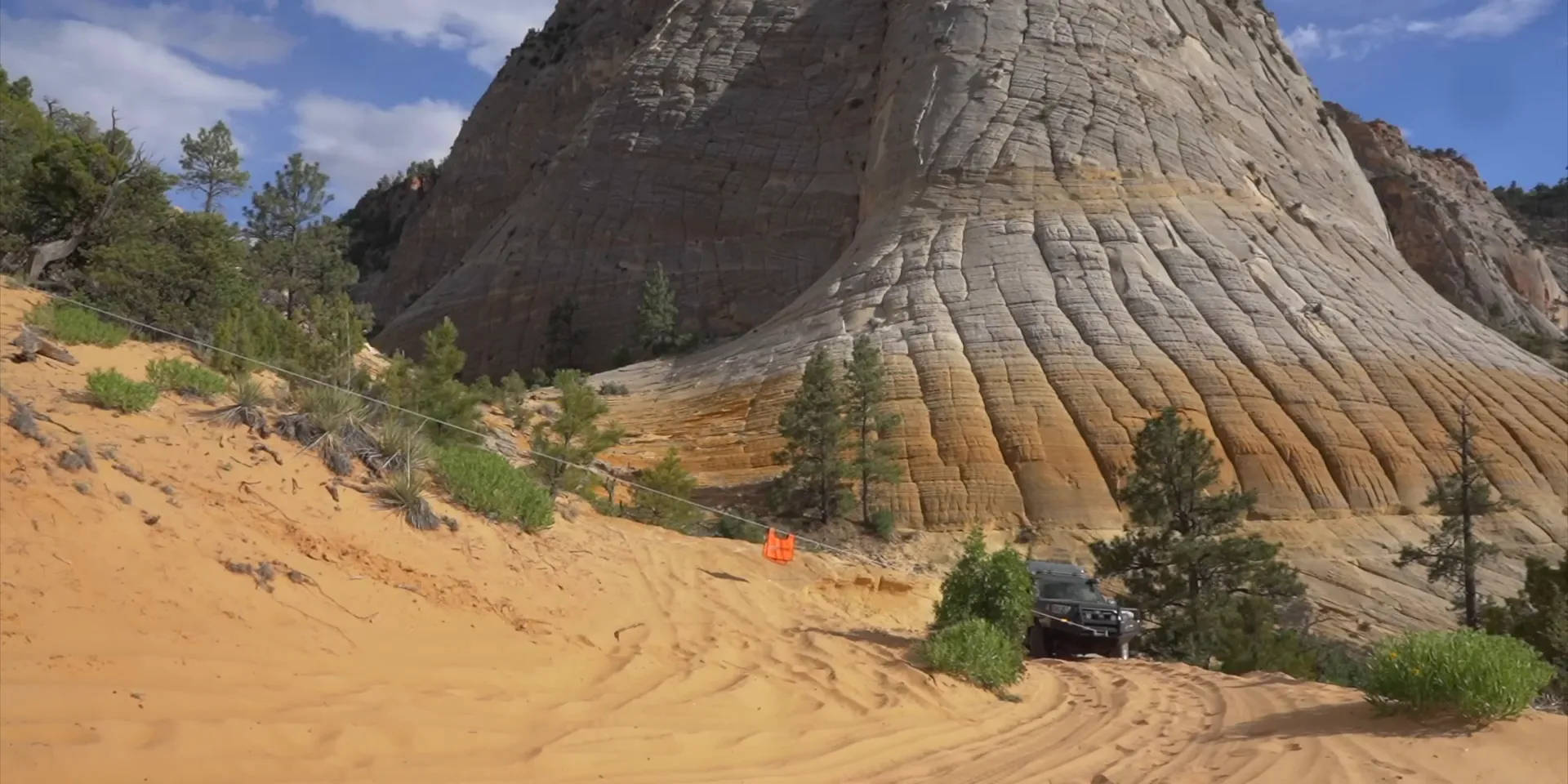
Soft sand dominates the trail. Drivers should air down tires significantly for traction and carry a quality recovery kit. A light, powerful vehicle is advantageous; the steep, sandy hill about two-thirds along the route is the key feature. Revere Overland recommends approaching this hill from the south—the climb down (north-to-south direction) is more manageable. Approaching from the north requires a steep uphill through deep sand and often demands winching or forward momentum from a light, fast vehicle.
Just before reaching Highway 89, travelers will find a quirky drainage tunnel known locally as the “Belly of the Dragon.” While it is a drainage culvert under the highway rather than a carved tunnel, it makes a fun stop for photos or to explore on foot.
Moab is a hub for off-road adventure, and the loop that begins and ends at the base of Long Canyon along the Colorado River is an ideal first overland route. Revere Overland notes that this loop is often the first place they take visitors in Moab, thanks to accessible scenery and the variety of driving challenges.
The loop winds through steep red cliffs and rises to viewpoints that include expansive scenes of Moab and the La Sal Mountains. Near the top of the canyon, a large boulder commonly rests across the road—an ever-changing feature that can dramatically alter driving difficulty from year to year. When the trail is graded and smooth, it is doable in a crossover. Post-flood conditions may require high-clearance four-wheel-drive vehicles.
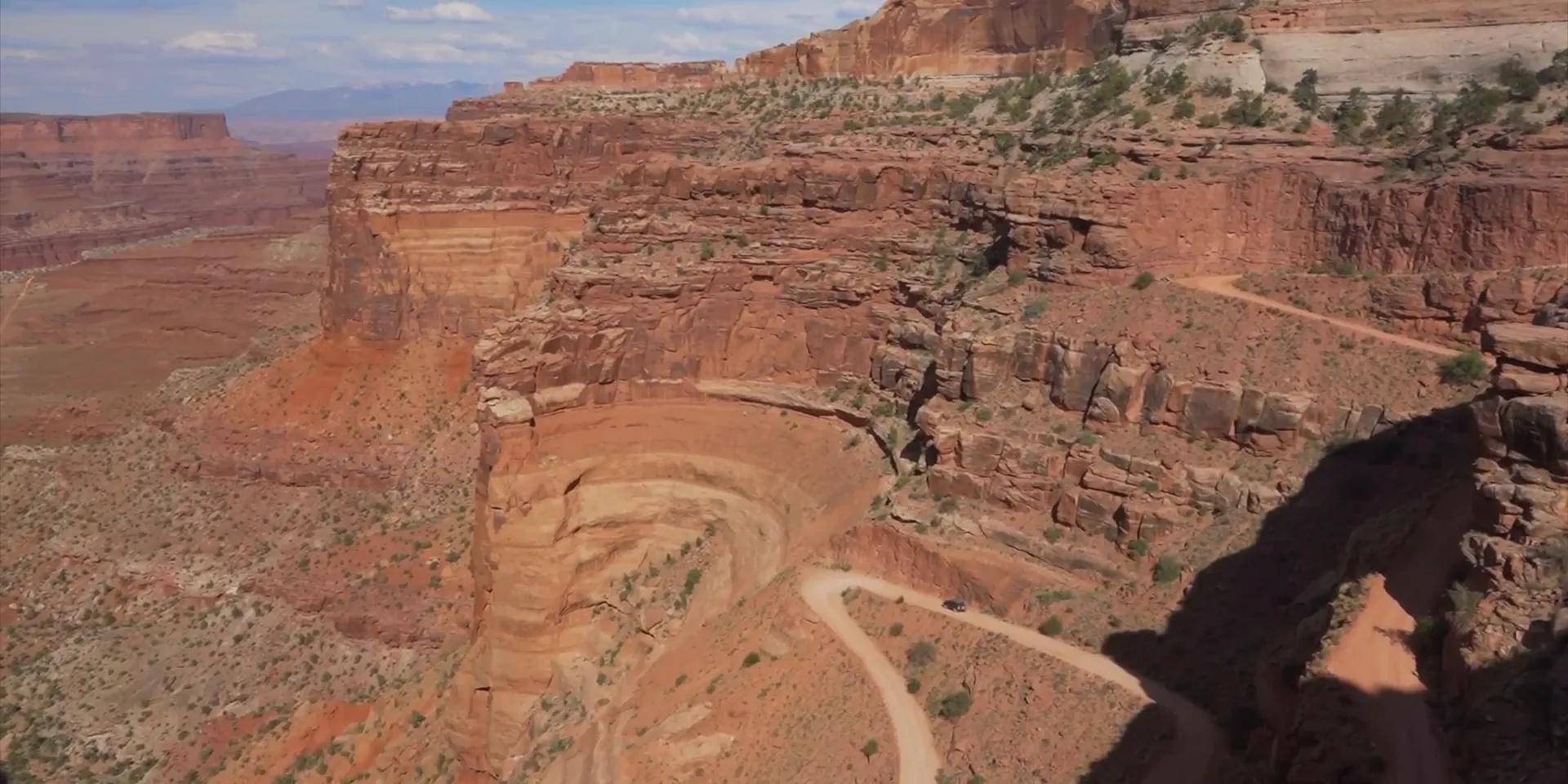
Schaeffer (Shaffer) Trail is one of the most dramatic roads in this region, dropping nearly a thousand feet in a series of sharp switchbacks. It is not for those with a fear of heights. The trail showcases Moab’s red cliffs and canyon vistas and passes areas recognizable from classic films. While Subaru-friendly in many conditions, low gearing and good brakes help on steep descents. Recent flooding has roughened sections, and high clearance may be needed.
Part of the loop passes through Canyonlands National Park via a short highway section. Travelers should remember that an entry fee or annual pass is required to enter the park, and the park itself contains many worthwhile hikes and viewpoints that complement an overland drive. When planning a Moab-focused stay, guests should allot time for both driving and on-foot exploration of the park’s overlooks and trails.
Guests staying in Moab overnight can use the loop for a half-day drive, pairing it with an afternoon hike in Canyonlands. Start early from the rental to avoid midday heat, carry packed lunches from the rental kitchen, and return for an evening cookout on the patio—a great way to decompress and clean gear.
Capital Reef has a suite of spectacular access roads from various directions; Revere Overland prefers the northeast approaches, starting with Wild Horse Road from Goblin Valley. Goblin Valley itself is worth a visit for its hoodoos and surreal mushroom-shaped rock formations before the overland route climbs to Wild Horse Mesa and sweeps across colorful badlands.
Wild Horse Road includes easy stretches interspersed with tougher sections. Muddy Creek is a stretch where the name is literal—four-wheel drive and good tires are mandatory. As the route approaches Factory Butte and veers west toward Capitol Reef, the terrain can change dramatically after rain. Roads that were previously smooth may develop steep drop-offs into washes, so high clearance is recommended.
The visual palette on this route is notable for its shifting colors every few miles. Travelers move from colorful clays on Wild Horse Road to moonscape around Factory Butte, then to yellow and gray bands along Kaneville Reef. Approaching Cathedral Valley, enormous monoliths rise and provide a dramatic backdrop that informs much of the park’s name.
Inside Capitol Reef National Park, travelers will want to stop for Temple of the Sun and Temple of the Moon viewpoints, the gypsum sinkhole, and multiple overlooks that frame the valley. Leaving the park to the south takes visitors through the Bentonite Hills—the most colorful clays Revere Overland has seen in the region.
From a rental in Torrey or nearby towns, plan a full day to drive Wild Horse Road to Capitol Reef, include a picnic at a viewpoint, and stretch legs on a short park hike. Return to the rental for a hot meal and showers, and consider an early evening star-gazing session—this region offers some of the darkest skies in the lower 48.
For the top spot, Revere Overland ranks Onion Creek Road, an east Moab route that is less traveled but immensely rewarding. It weaves through towering cliffs, dozens of creek crossings, and an intimate canyon experience, making it one of Moab’s most beautiful drives.
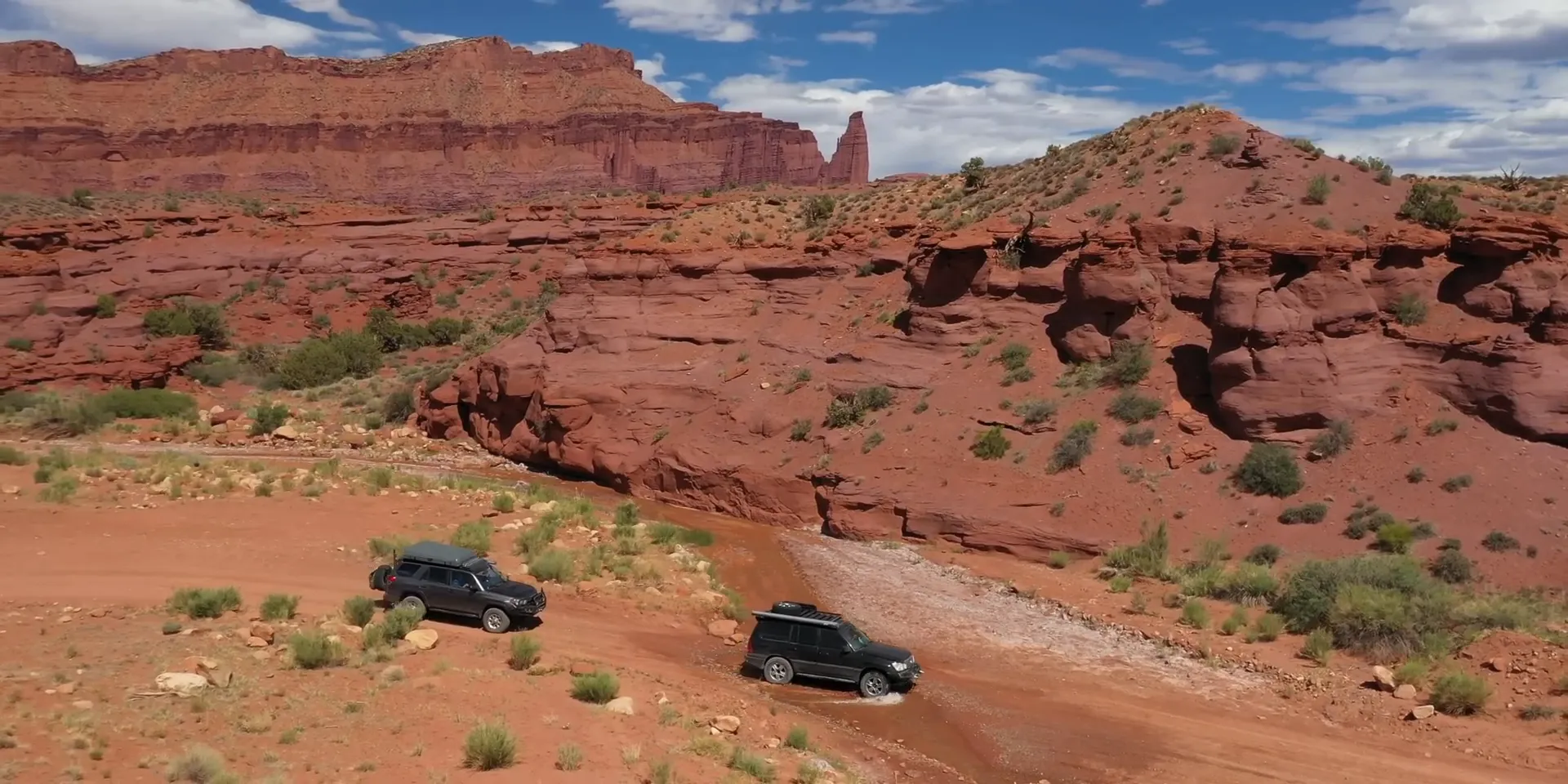
Onion Creek Road is relatively easy when dry, with the principal consideration being the depth of creek crossings—rarely more than six inches under normal conditions. Only in unusual circumstances, such as snow, did Revere Overland find four-wheel drive necessary. A few miles into the drive, the route climbs away from the creek to a ridge with steep drop-offs on either side before flattening into gentler trails. Technically this marks the end of Onion Creek Road, but a left turn onto Hideout Road creates a loop through the La Sal Mountains and back toward La Sal Loop Road.
Hideout Road leads into areas associated with local outlaw lore—alleged hideouts used by Butch Cassidy. An optional side trip climbs onto Polar Mesa, where old uranium mines dot the landscape and provide a distinctive historical touchpoint for visitors. From Polar Mesa, travelers can continue west toward the La Sal Loop Road to complete the circuit.
This route lends itself to guests who prefer less-traveled experiences while staying in a Moab rental. Guests can depart in the morning with packed lunches, return to warm showers, and use the rental kitchen to cook dinner while sorting footage and photos from the day. For longer stays, guests can combine Onion Creek with a La Sal mountains day hike to the mountain lakes.
Travelers staying in a Southern Utah vacation rental should use the space and amenities of their lodging to prepare in ways that enhance safety and enjoyment on the trail. The following checklist helps ensure a smooth off-road experience.
Seasons shape everything in Utah: summer daytime heats, monsoon storms in late summer that cause flash flooding, crisp winters that bring snow to higher elevations, and spring and fall as shoulder seasons with moderate temperatures and lower crowds. Revere Overland emphasizes checking forecasts and recent trip reports before departure. Flash flooding can make otherwise passable washes dangerous, and winter snow can suddenly demand four-wheel drive where none was previously necessary.
Travelers staying in vacation rentals should use their accommodations to monitor conditions, charge devices, and stage late-afternoon or early-morning departures to avoid heat and mid-day storms.
Choosing a vacation rental with thoughtful amenities makes off-road travel far more comfortable. Properties with a full kitchen, driveway parking, and secure storage provide the best staging areas for gear and vehicle prep. For travelers seeking well-managed Southern Utah properties, explore Stay Copper Rock at https://staycopperrock.com which highlights luxury rentals and guest services tailored for outdoor-focused vacations.
For those planning a trip that includes Zion, one useful resource is the Zion National Park travel guide at https://staycopperrock.com/activities/zion-national-park/. Additional relevant reads that help visitors prepare include an overview of Southern Utah activities at https://staycopperrock.com/exploring-southern-utah-top-5-must-do-activities/ and recommendations for Moab and nearby areas on the site’s activities pages.
Off-roading in Utah’s public lands is a privilege that carries responsibility. Visitors should:
Revere Overland recommends a high-clearance, four-wheel-drive vehicle for most of the listed trails, especially Elephant Gap Road and the northbound sections of Smoky Mountain Road. Crossover SUVs and AWD vehicles may handle many sections in dry conditions, such as parts of Onion Creek and the Moab loop, but high clearance reduces the risk of undercarriage damage and improves safety when trails have become rough due to weather.
Yes. Entry to national parks like Canyonlands and Capitol Reef requires a park pass or fee. Some recreation areas or state parks have separate entrance fees. Guests should purchase an annual pass or day passes as appropriate and should check the National Park Service and state park websites for current fees and reservation requirements.
Late spring (April–May) and early fall (September–October) typically offer the best balance of moderate weather and lower crowds. Summer brings high temperatures in low-elevation desert areas and peak visitor numbers, while winter provides quiet roads and dramatic snowy scenery in higher elevations—though some trails can become impassable in snow or ice.
In addition to basic recovery gear, guests should carry a reliable map or GPS track, a portable air compressor, a first aid kit, sun protection, ample water, and a fully charged phone plus a backup power bank. A satellite messenger or personal locator beacon is advisable for remote travel with limited cell coverage.
Yes, with preparation. Onion Creek and parts of the Moab loop can be suitable for less experienced drivers when dry. More technical sections—such as the deep sands on Elephant Gap or wetter wash crossings at Wild Horse Road—require greater experience, proper vehicle setup, and ideally a convoy partner. New drivers should start with easier trails and practice basic recovery techniques in controlled settings before tackling challenging segments.
Utah’s top overland trails showcase the state’s extraordinary diversity—from moonlike badlands and smoky coal-seam areas to fiery-red cliffs and quiet creeks lined by towering pillars. For travelers basing themselves in Southern Utah vacation rentals, the combination of trail variety and rental amenities provides a comfortable platform to explore more remote landscapes safely and sustainably. Revere Overland’s list is a compact representation of what’s possible; the region contains countless other roads and trails worth exploring, and preparation, respect for the land, and smart use of rental amenities will turn a good trip into an exceptional one.
For lodging that complements an overland adventure, learn more about property options at https://staycopperrock.com and consult local activity guides at https://staycopperrock.com/exploring-southern-utah-top-5-must-do-activities/ and https://staycopperrock.com/activities/zion-national-park/ to craft a trip that balances rugged days on the trail with comfortable evenings at a well-appointed vacation rental.
Southern Utah’s red rock country draws millions every year, and Zion National Park is the crown jewel. The park’s narrow, dramatic canyon... Read More
Southern Utah rewards travelers with a mix of iconic canyon views and quieter, lesser-known backcountry experiences. A weekend based near Zion National... Read More
Which park fits the trip: soaring canyons or quiet hoodoos Southern Utah contains landscapes that look like two different planets stitched together.... Read More

Join The Discussion